A2A vs MCP: Which AI Agent Protocol Does Your Business Need?
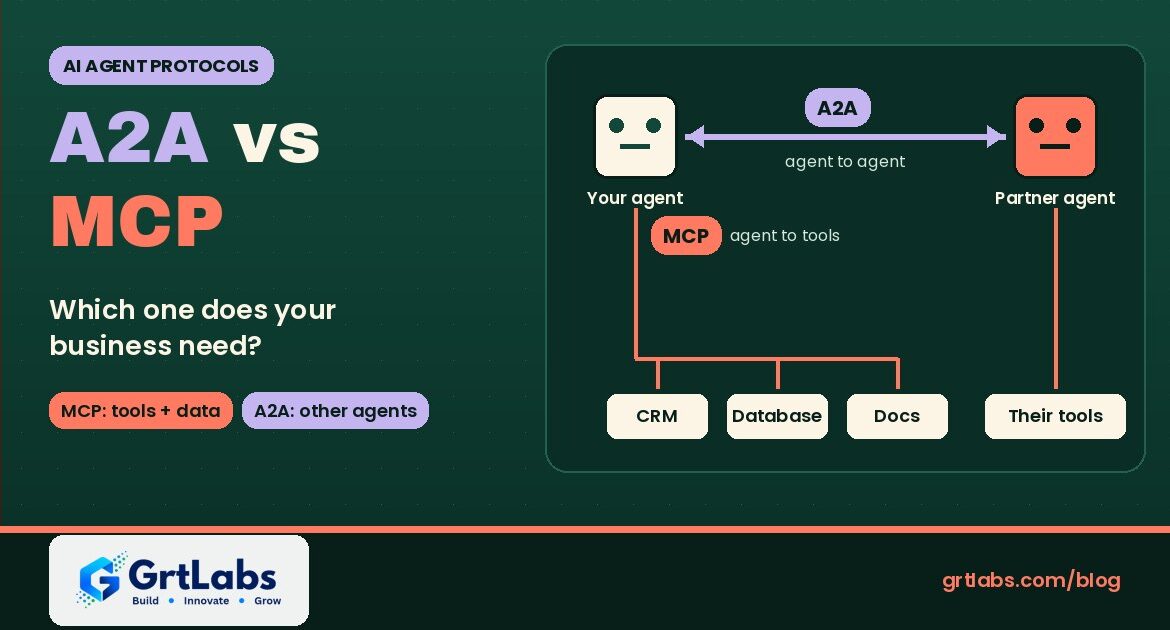
A2A vs MCP: Which AI Agent Protocol Does Your Business Need? https://grtlabs.com/wp-content/uploads/2026/11/featured-a2a-vs-mcp-1024x538.jpg 1024 538 Nadeem Shaikh https://secure.gravatar.com/avatar/459d5135d86aff60790fdf4d25ee6958e526211d5cd43d190b1516158cf9feba?s=96&d=mm&r=gA2A vs MCP comes down to who your AI agent is talking to. MCP (Model Context Protocol) connects one agent to tools and data, such as your CRM, database or document store. A2A (Agent2Agent) connects agents to other agents, including agents built by another team, vendor or partner, so they can hand off and track work. They are not rivals. Most businesses need MCP first; you add A2A when your agents must work with agents you do not control. Many larger systems use both: MCP inside each agent, A2A between agents.
Both are now open standards run under the Linux Foundation, and both shipped major production-focused releases in 2026. Below: what each protocol does, how they differ, when a business needs one or both, and what to ask before you build.
What is MCP (Model Context Protocol)?
The official MCP documentation describes MCP as an open-source standard for connecting AI applications to external systems. Using MCP, an AI application can reach data sources such as files and databases, tools such as search engines and calculators, and workflows. The docs compare it to a USB-C port for AI applications: one standard plug instead of a custom cable for every device.
In practice, you wrap a system, say your order database or ticketing tool, in an MCP server. Any AI app that speaks MCP can then see which tools that server offers, call them with structured inputs and get structured results back. Our guide to building a custom MCP server covers when that is worth doing.
Anthropic open-sourced MCP in November 2024, and it was contributed to the Agentic AI Foundation (AAIF) under the Linux Foundation in December 2025, according to the AAIF’s July 2026 announcement.
What is A2A (Agent2Agent protocol)?
Google announced the Agent2Agent protocol on April 9, 2025, with more than 50 technology partners. Its stated job: allow AI agents to communicate with each other, securely exchange information and coordinate actions across enterprise platforms and applications. From day one Google described A2A as an open protocol that complements MCP, not a replacement for it.
A2A treats the other agent as a peer, not a tool. The A2A specification is written for communication between independent, potentially opaque AI agent systems, meaning neither side has to expose its internal memory, tools or prompts. The main pieces are:
- Agent Card. A JSON file where an agent advertises what it can do, where to reach it and how to authenticate. The spec’s standard location is
/.well-known/agent-card.jsonon the agent’s domain. - Tasks. Work is sent as a task with a lifecycle, so a request can finish in seconds or run for hours with status updates along the way. The finished output is called an artifact.
- Messages and parts. Agents exchange messages made of typed parts, such as text, files or structured data, and can agree on the format.
- Updates. Clients can get results by polling, streaming or webhooks.
Google donated A2A to the Linux Foundation, IBM’s Agent Communication Protocol merged into it in August 2025, and on August 17, 2026 A2A joined the Agentic AI Foundation, the same home as MCP. The AAIF says A2A is backed by over 150 organizations.
A2A vs MCP: the key differences
The A2A project’s own A2A and MCP comparison puts it simply: MCP is vertical and deepens a single agent; A2A is horizontal and connects agents across team, department or company boundaries.
| MCP | A2A | |
|---|---|---|
| Connects | An AI agent or app to tools, data and workflows | An AI agent to other AI agents |
| The other side is | A tool with defined inputs and outputs | An autonomous agent that reasons, plans and keeps its own state |
| Typical request | Run this query, fetch this file, update this record | Handle this customer billing question and tell me when it is done |
| How it is found | The app connects to configured MCP servers and lists their tools | Agents publish an Agent Card that others can discover |
| Interaction | Mostly short, structured calls (long jobs via the Tasks extension) | Tasks with a lifecycle, multi-turn messages and status updates |
| Started by | Anthropic, November 2024 | Google, April 2025 |
| Governance today | Agentic AI Foundation (Linux Foundation) | Agentic AI Foundation (Linux Foundation) |
| Major release | Specification 2026-07-28 | v1.0 (March 2026) |
The A2A v1.0 announcement sums up the relationship in one line: MCP inside agents, A2A between agents.
How A2A and MCP work together: a simple example
The A2A documentation uses an auto repair shop staffed by AI agents. Here is the same idea in business terms:
- A customer, or the customer’s own assistant, contacts the shop’s Shop Manager agent. That conversation can run over A2A.
- The Shop Manager assigns the job to a Mechanic agent. Agent to agent, so A2A.
- The Mechanic agent uses its own tools, such as a diagnostic scanner, a repair manual database and a lift. Agent to tool, so MCP.
- The Mechanic needs a part and asks a Parts Supplier agent run by another company whether it is in stock, then places an order. Agent to agent across a company boundary, so A2A.
Swap the shop for your business: a customer service agent that hands a billing question to a finance agent, or a purchasing agent that checks stock with a supplier’s agent. Each agent uses MCP to reach its own systems; A2A carries the handoffs between them.
A2A vs MCP: when does your business need one or both?
You need MCP when
- You want one AI assistant or agent to read from or act in your systems, such as a CRM, ERP, help desk, database or document store.
- You want those connections to work across AI apps and models instead of rebuilding them for each one.
- You are starting your first agent project. For most companies this is the first step.
You need A2A when
- Your agents must hand work to agents built by another team, on another framework or by a vendor.
- You use agents inside several platforms and want them to coordinate instead of living in separate silos.
- You want customers’ or partners’ agents to work with yours, such as supplier, ordering or service requests across company lines.
- Tasks run long and need tracked status, not a single quick call.
You probably need neither (yet) when
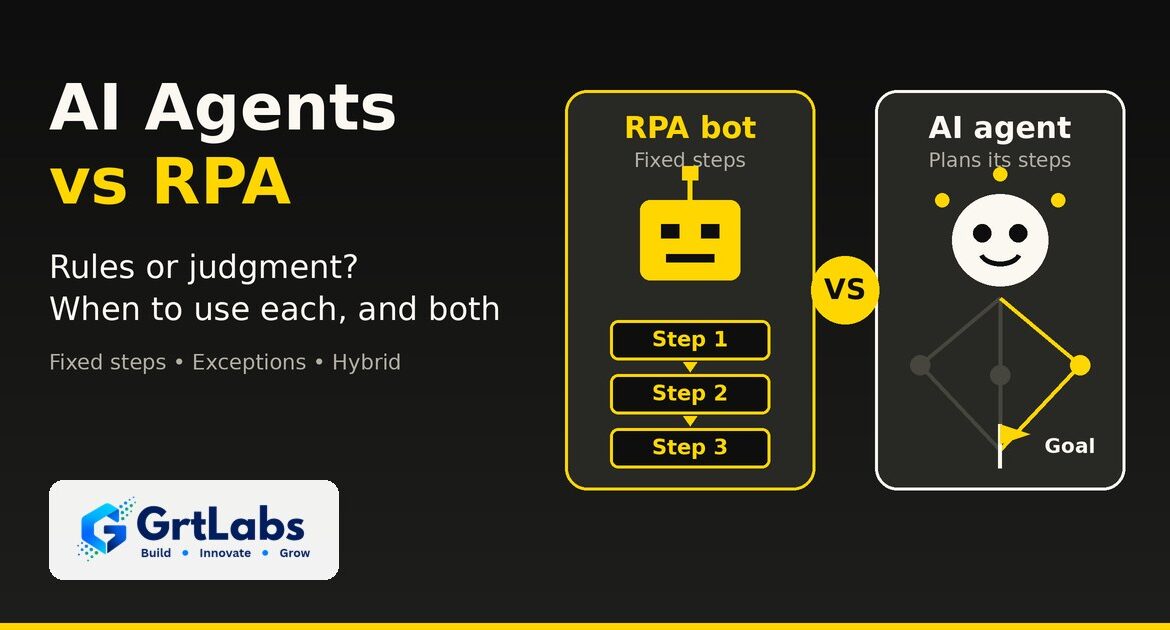
- The steps are fixed and the same every time. Plain AI automation or an integration may be cheaper and easier to support.
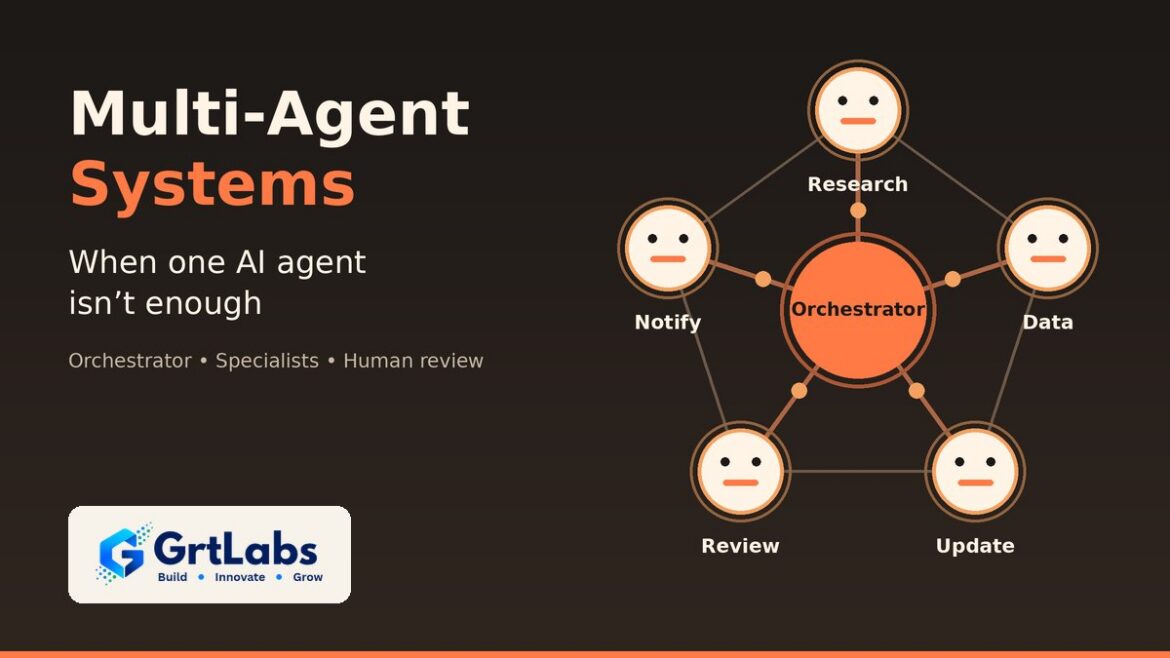
- All your agents live in one application built with one framework. The framework’s own handoffs may be enough; see our post on multi-agent systems for when several agents make sense at all.
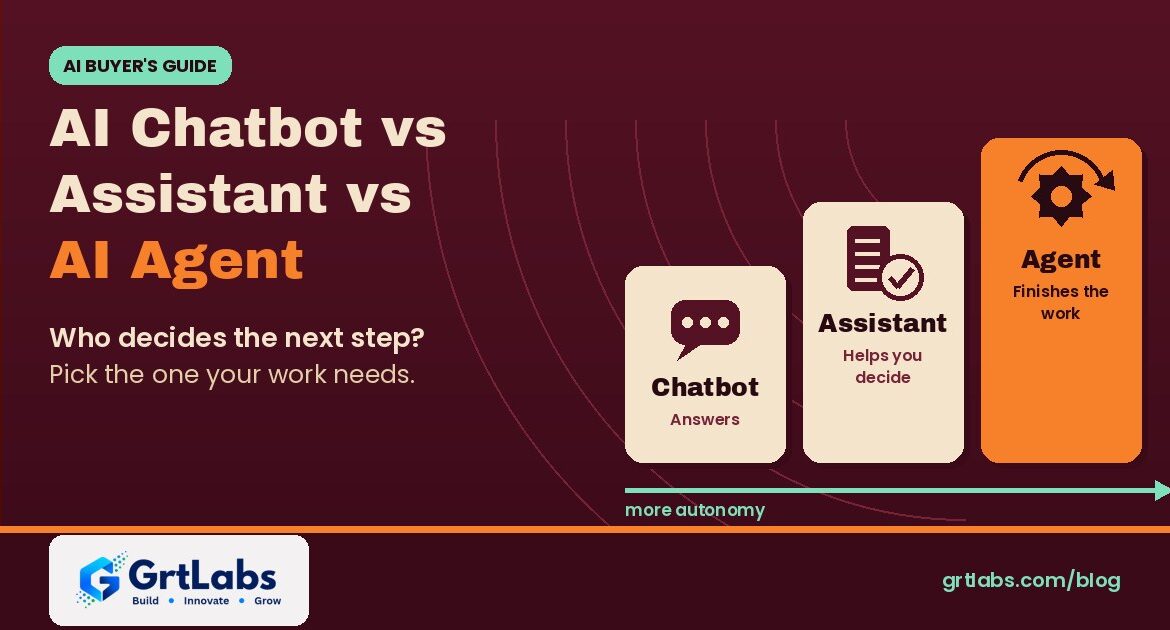
If you are still sorting out whether you need an agent, start with What is agentic AI? and AI chatbot vs AI agent.
Where A2A and MCP stand in 2026
- MCP 2026-07-28. The latest MCP specification makes the protocol stateless. The AAIF says this lets teams run MCP servers behind standard load balancers, like ordinary HTTP services. The release also hardens authorization in line with how OAuth 2.0 and OpenID Connect are deployed, adds Enterprise Managed Authorization so a company’s identity provider decides who can use which MCP server, and sets a formal deprecation policy with at least twelve months between deprecation and removal of a feature.
- A2A v1.0. The v1.0 release (March 12, 2026) added signed Agent Cards for cryptographic verification of an agent’s identity, multi-tenancy so one endpoint can host many agents, modernized security flows and support for JSON+HTTP, gRPC and JSON-RPC. Its technical steering committee includes AWS, Cisco, Google, IBM Research, Microsoft, Salesforce, SAP and ServiceNow.
- Cloud support. According to the AAIF, Google Cloud, Microsoft Azure AI Foundry and AWS Bedrock AgentCore all support building or hosting A2A agents.
For buyers weighing A2A vs MCP, the takeaway is that neither protocol is a single-vendor experiment any more. Both are worth designing around if they fit your use case.
Security and governance questions to ask
Open protocols make connections easier, which also makes mistakes easier to spread. Ask these before an agent goes live:
- Who is this agent, really? For A2A, check how the other agent proves its identity, for example signed Agent Cards and OAuth, and keep a list of agents you trust.
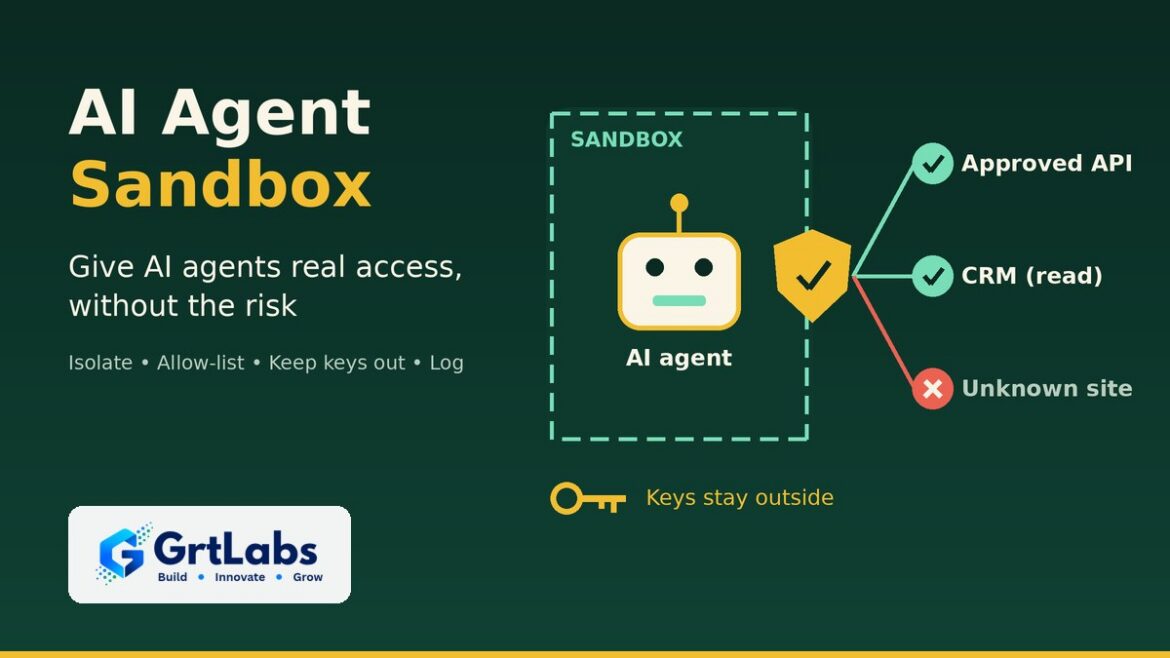
- What can each connection do? Give every MCP server and every partner agent the least access it needs. Read-only by default, with approval steps for payments, deletions and record changes.
- Is outside input treated as untrusted? A message from another agent is input from outside your control, the same as an email or web page. Plan for prompt injection.
- Can you trace a handoff? Logs should show which agent asked for what, which tools were called and what came back. See AI agent audit trail.
- Who owns the rules? Permissions, escalation rules and reviews need a named owner. Our AI agent governance guide covers the basics.
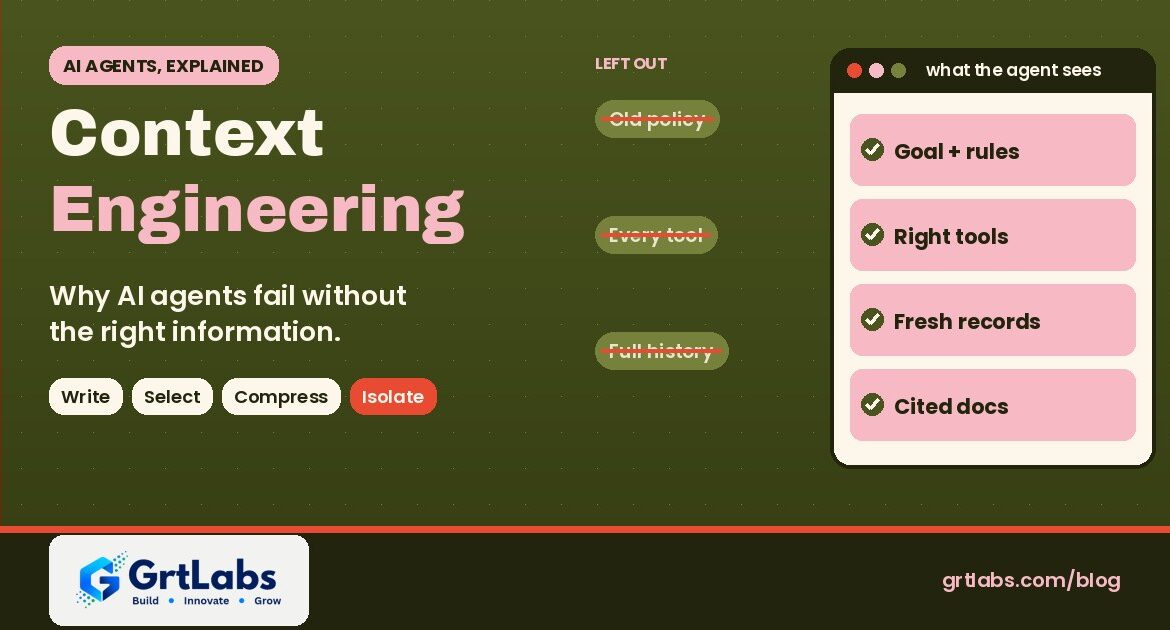
- What does each agent see? Every tool and every agent response lands in the model’s context. More connections are not automatically better; see context engineering.
Common mistakes
- Treating it as either/or. The two protocols solve different problems. Picking one does not rule out the other later.
- Starting with A2A. If you have one agent and no partners asking to connect, agent-to-agent plumbing adds work without value.
- Wrapping a whole agent as a tool. The A2A docs note that some well-defined skills can be exposed MCP-style, but long, multi-turn work with status updates fits A2A better.
- Connecting everything at once. Each MCP server adds tools and each agent adds a new party to trust. Add them one use case at a time.
- Skipping versioning. Both specs had breaking changes on the way to their 2026 releases. Pin versions and test upgrades.
How GrtLabs helps
GrtLabs is a Houston, Texas AI and software development company, founded in 2019, that builds custom AI, agentic AI, RAG, AI automation, and web and app development. Our Agentic AI work starts by agreeing on the agent’s goal, the tools it may use, its permissions and its escalation rules. We build the integrations with your APIs, databases and document stores, test against real examples with your team, and deploy with human-in-the-loop approval steps and logging so you can see every step the agent took.
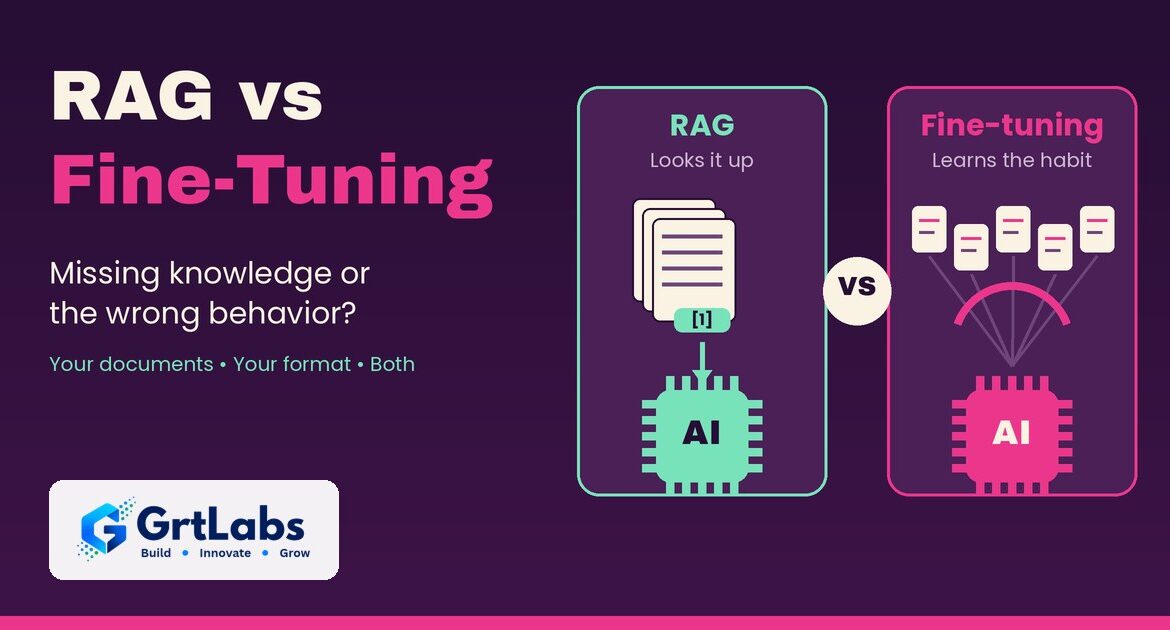
Our RAG Knowledge Systems give agents and AI Assistants answers that cite their sources and respect who is allowed to see what, our AI Automation team handles the fixed-step work that does not need an agent, and our AWS and Azure AI team can run it inside your own cloud account. Not sure where to start? Our AI Discovery engagement helps pick the right first proof of concept. Working with a team in Texas? Meet our AI development company in Houston.
Not sure if you need MCP, A2A or neither? Talk to our Houston team about your agent plans.
Frequently asked questions
What is the difference between A2A and MCP?
MCP (Model Context Protocol) connects an AI agent to tools and data, such as databases, APIs and documents. A2A (Agent2Agent) connects AI agents to other AI agents so they can discover each other, hand off tasks and track progress. MCP works inside an agent; A2A works between agents.
Does A2A replace MCP?
No. Google introduced A2A as a complement to MCP, and the A2A project describes the two as solving different layers of the problem. Many systems use both: MCP for each agent’s tools and A2A for communication between agents.
Do I need A2A if I only have one AI agent?
Usually not. With one agent, MCP or direct integrations to your systems are enough. A2A becomes useful when your agent needs to work with agents built by other teams, vendors or partners.
Who maintains A2A and MCP?
Both are open standards hosted by the Agentic AI Foundation under the Linux Foundation. Anthropic open-sourced MCP in November 2024 and contributed it in December 2025. Google launched A2A in April 2025, and it joined the foundation in August 2026.
Are A2A and MCP secure?
Both include authentication and authorization features, such as OAuth-based authorization in MCP and signed Agent Cards in A2A v1.0. Security still depends on your design: least-privilege access, approval steps for sensitive actions, treating outside input as untrusted, and logging every call and handoff.
Can GrtLabs build agents that use MCP and A2A in Houston?
Yes. GrtLabs is a Houston AI and software development company, founded in 2019, that builds agentic AI, RAG knowledge systems, AI assistants and AI automation, with permissions, approval steps and logging. Contact the team at grtlabs.com/contact to discuss your use case.